Electrical Equipment Tariffs Are Choking $2 Trillion in Factory Buildouts
Electrical manufacturers are lobbying for tariff relief as input costs inflate 15 to 25 percent. Lead times now stretch past two years. Position your supply chain before competitors do.

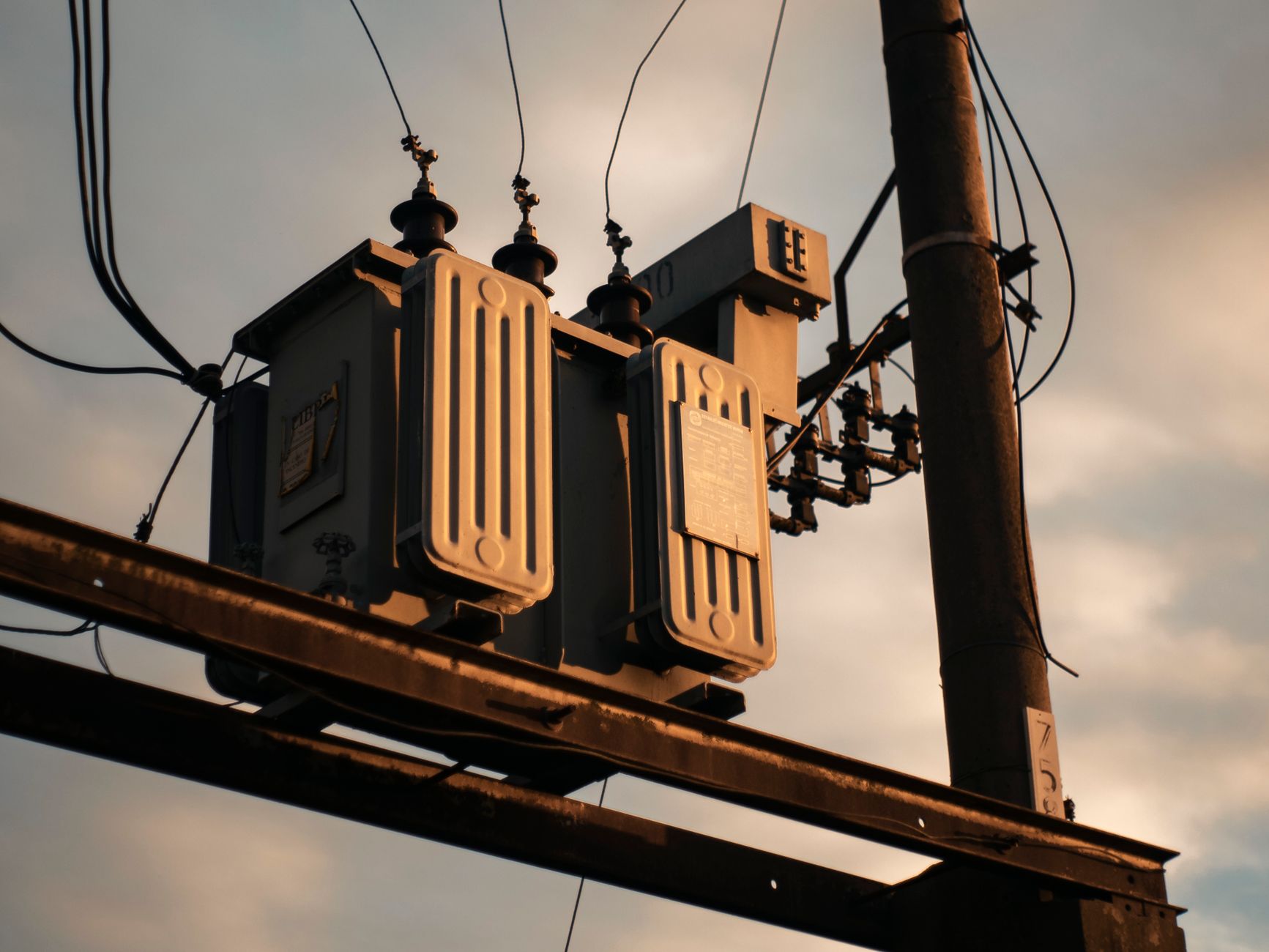
The United States needs more transformers, more switchgear, and more distribution equipment than at any point in the last three decades. And the companies that make that gear just told Washington the math does not work. U.S. electrical manufacturers are publicly lobbying for tariff relief on critical inputs including steel and copper, arguing that current tariff structures make domestic production uncompetitive at the exact moment demand is surging.
The Signal
This is not a trade lobby press release. This is a structural warning. Every reshoring plan, every data center campus, every grid modernization initiative runs through the same bottleneck: electrical distribution equipment. Transformers alone have lead times stretching past two years in some categories. Switchgear backlogs are measured in quarters, not weeks. The manufacturers building this equipment are now saying publicly that the tariffs on their raw inputs are eroding the cost advantage that domestic production is supposed to deliver.
The irony is sharp. Washington wants more factories built in America. Those factories need electrical infrastructure. The companies that make that electrical infrastructure cannot produce it competitively because tariffs on steel, copper, and imported components inflate their input costs by double digit percentages. Demand is not the problem. Policy is choking supply at the source. Federal Reserve industrial production data tells a version of this story. The index sat at 96.93 in June 2024 and has crawled to just 98.64 by May 2026. That is 1.8 percent growth over two years in an environment where every headline screams about an industrial renaissance.
Source: Federal Reserve Economic Data (FRED) | NeuralPress analysis
That flat trajectory is the context for every decision below. Industrial output is barely moving despite unprecedented demand signals from data centers, EV infrastructure, and grid buildout. Something is absorbing the energy. Tariff driven input costs are a leading candidate.
Capital Allocation Under a Split Scenario
The CFO decision here is not whether to invest. It is when. Federal Reserve data shows industrial production dipped to 95.44 in October 2024 before recovering to 98.64 by May 2026. That choppy, sideways pattern reflects an economy where demand exists but deployment keeps getting delayed. For any operator planning a grid tied or high voltage project, the math demands two models.
Scenario one assumes the current tariff regime holds. Steel and copper inputs stay elevated. Electrical equipment pricing remains 15 to 25 percent above pre tariff baselines. Project IRRs compress. You phase projects over longer timelines and accept the carrying cost of delay.
Scenario two assumes partial tariff relief on industrial inputs within 12 months. The manufacturers lobbying for this are not small players. They have political leverage and the reshoring narrative behind them. If tariffs on key inputs drop 15 to 20 percent, equipment pricing follows within two to three quarters. Projects pencil out at current demand levels.
The framework is straightforward. Price your capex at current tariff levels but structure contracts with repricing triggers tied to input cost indices. If relief comes, you capture the savings. If it does not, you have already budgeted for the pain. Do not freeze capital waiting for Washington. Build the optionality into your deal structure instead.
Procurement Has to Get Vertical
Every procurement director sourcing electrical equipment right now faces the same question: which suppliers are actually insulated from tariff volatility, and which are just absorbing cost temporarily before passing it through?
The answer lives in vertical integration. A transformer manufacturer that sources domestic steel and winds its own coils has a fundamentally different cost structure than one importing laminated core steel from Southeast Asia and buying copper wire from a distributor exposed to LME swings plus tariffs. The price quotes might look similar today. They will not look similar in six months.
The operational move is a supplier audit focused specifically on tariff exposure by product line. Ask your top three electrical equipment vendors to break down their input sourcing by origin. Identify which components cross a tariff boundary. Quantify the pass through risk. Industrial production barely moved from 97.25 in May 2025 to 98.64 in May 2026 according to Federal Reserve data. That tells you output is constrained. Suppliers under margin pressure from tariffs will eventually raise prices or reduce capacity. You want to know which category each vendor falls into before the next quote cycle.
Prioritize suppliers with domestic raw material sourcing or long term fixed price supply agreements on key inputs. The premium you pay today for a vertically integrated domestic supplier is insurance against the repricing event that is coming.
Lead Times Are the Real Pricing Mechanism
Forget the unit cost on the quote sheet. The actual cost of electrical equipment right now is measured in time. A 26 month lead time on a large power transformer is not a delivery schedule. It is a project finance variable. It changes your interest carry. It changes your revenue recognition timeline. It changes when your facility goes live and starts generating return.
Manufacturers operating under tariff pressure have two responses. They raise prices or they extend lead times. Most are doing both. The industrial production index flatlined between July 2025 at 98.07 and September 2025 at 98.05 before actually declining to 96.99 in December 2025. Capacity did not expand during a period of record demand. That gap between demand and output is showing up in your project timelines.
The framework for operators is to treat equipment delivery dates as financial instruments. If you have a project with a 2026 start date that depends on switchgear or transformer delivery, lock that order now. Negotiate cancellation terms rather than waiting for a better price. The cost of a 90 day delay on a $40 million facility buildout dwarfs the potential savings from a tariff adjustment that may or may not arrive. Time is more expensive than steel.
Competitive Positioning in a Constrained Market
The companies that figure out electrical equipment sourcing fastest will win the next cycle. This is not abstract strategy. If you are building a data center campus and your competitor has transformers on order 18 months ahead of you, they are live and generating revenue while you are pouring concrete. If you are expanding manufacturing capacity for reshored production, the factory that energizes first captures the customer relationships.
The competitive dynamic is simple. Equipment scarcity plus tariff uncertainty creates a two tier market. Tier one operators have locked supply, negotiated fixed pricing, and diversified their sourcing across domestic manufacturers with different input exposures. Tier two operators are still running RFQs and waiting for clarity on trade policy.
Industrial production grew just 1.8 percent over two years while data center power demand, grid modernization mandates, and EV charging infrastructure all accelerated. The supply demand mismatch is not theoretical. It is showing up in every bid package. The operators who recognized this 12 months ago are already positioned. The ones reading this today have a narrowing window.
Position your company as a tier one buyer. That means committing capital to equipment orders before the project is fully permitted. It means building relationships with multiple electrical equipment manufacturers rather than running competitive bids that treat this like a commodity market. It is not a commodity market. It is an allocation market. Act accordingly.
The Operating Question
The reshoring narrative assumes the supply chain will cooperate. Electrical equipment manufacturers just told you it will not cooperate under current policy. The operators who treat this as a procurement problem will get outrun by the ones who treat it as a strategic positioning problem. The question is not whether tariffs will change. The question is whether your project timeline can survive if they do not.
This article is part of the Industry Intelligence series on NeuralPress. New analysis published daily.