Adidas Sends 38% of Revenue Around Its Own Distributors
Adidas generates 38 percent of revenue through owned channels. Every intermediary in sporting goods distribution now faces a binary choice: build services brands cannot replicate or accept obsolescence.

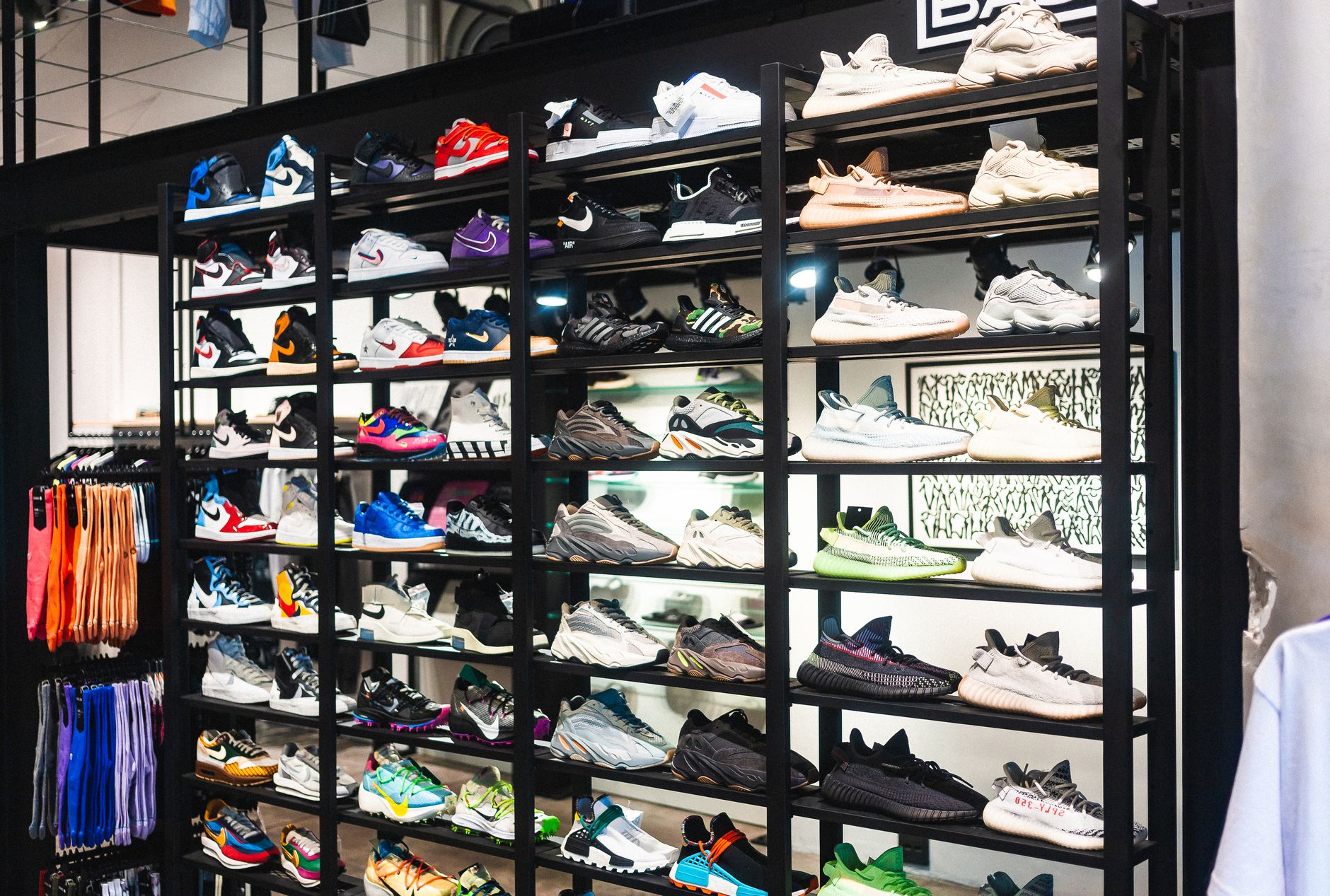
Adidas now generates 38 percent of total revenue through its own retail stores and ecommerce platforms. That is not a pilot program. That is not a test. That is more than a third of a global brand's topline flowing through channels it owns outright, capturing the margin that used to belong to someone else.
The Signal
The announcement confirms what the sporting goods distribution world has feared since Nike started pulling product from wholesale accounts years ago. Adidas is committed to selling directly to consumers, and the remaining 62 percent flowing through wholesale is not a commitment to the status quo. It is a countdown.
This is not a consumer brand story. This is a supply chain story, a real estate story, and a capital allocation story. When a brand the size of Adidas decides it can reach the end customer without you, every intermediary in the chain has to answer a question that did not exist five years ago: what exactly do I provide that the brand cannot do itself? The answer to that question determines whether your distribution business, your retail lease portfolio, or your multibrand store concept survives the next three years.
Federal Reserve data shows advance retail sales climbed from $692.4 billion in June 2024 to $763.7 billion by May 2026, a 10.3 percent increase. Consumer spending is not the problem. The money is moving. The question is which channels capture it. Retail is growing, but the growth flows increasingly through brand owned direct channels rather than through traditional wholesale and multibrand retail. Distributors are fighting over a piece of a growing pie while the pie's owner builds a longer arm.
Distributors Face an Existential Math Problem
Here is the number that should keep every wholesale distribution executive awake tonight. If Adidas pushes from 38 percent to 50 percent DTC within three years, and Nike is already on a similar trajectory, midmarket sporting goods distributors could lose 20 to 30 percent of their branded volume. That volume does not get replaced by adding another brand. There are not enough tier one athletic brands to fill the gap.
The decision facing distribution leaders right now is binary. You either build services that brands need but cannot replicate internally, or you accept declining relevance. That means modeling your top three supplier relationships against a scenario where each shifts 40 percent of volume to direct. Run that model this quarter, not next year.
The framework is straightforward. Identify every service you provide beyond moving boxes. Local fulfillment speed under 24 hours. Assembly and customization. Regional inventory positioning that lets a brand avoid building its own warehouse network. Technical support and installation for complex products. If your value proposition begins and ends with "we stock their product and ship it," you are already dead. You just have not stopped moving yet.
Brands will keep wholesale partners who make their direct to consumer operation better, not partners who compete with it. Advance retail sales hit $763.7 billion in May 2026. That spending has to flow somewhere. Position yourself as the infrastructure layer brands need to capture it, or watch them build around you.
Retail Real Estate Is Repricing Anchor Tenant Risk
Shopping center operators have historically treated athletic brand stores as reliable anchors. That math is changing. When Adidas generates 38 percent of revenue from owned channels, its physical stores become marketing assets, not revenue drivers. The distinction matters enormously for landlords.
A marketing asset store gets closed the moment the brand's digital acquisition cost drops below the fully loaded cost of operating that physical location. A revenue driver store gets renewed and expanded. Retail real estate directors need to audit their tenant mix against this new reality. How many of your anchor leases are with brands actively building DTC infrastructure? What percentage of your gross leasable area depends on tenants who view your property as a temporary customer acquisition channel?
The framework here is lease structure. Push for percentage rent clauses tied to in store plus online attribution. Negotiate cotenancy provisions that protect you when a major brand exits. Most importantly, start courting DTC native brands that need physical touchpoints but lack the real estate expertise to operate them. These brands, the ones born online and now expanding into physical retail, are the tenants with growing demand for square footage.
The legacy athletic brands may or may not renew in 2028. Build your portfolio assuming they will not. Federal Reserve figures show consumer spending climbing consistently through early 2026. People are buying. But they are buying through different doors than they were three years ago.
Multibrand Retailers Need Private Label or They Need an Exit
If you operate a multibrand sporting goods or athletic retail concept, here is your horizon. At 38 percent DTC and climbing, Adidas will increasingly restrict its best product, its highest margin SKUs, and its most marketable launches to its own channels. Nike already does this. Under Armour is moving in the same direction.
The decision is whether to invest in private label development now or accept permanent margin compression on branded goods. There is no third option. The brands are not coming back to wholesale with better allocation. They are building the infrastructure to not need you.
The framework for evaluating private label investment is margin math. Calculate your current gross margin on branded athletic goods. Assume that margin erodes by 15 to 20 percent over three years as brands pull their best product. Now model the margin on a private label line at comparable quality. If you can achieve even 40 percent gross margin on owned brands versus 25 percent on allocated branded product, the business case writes itself. The challenge is customer acquisition cost for unknown brands, but that is a solvable problem with in store placement and digital content.
Ground this in reality. Advance retail sales grew from $731 billion in October 2025 to $763.7 billion by May 2026. Consumers are spending. They are not loyal to the channel. They are loyal to the product. Give them a product worth buying under your own label, and you stop being a hostage to someone else's distribution strategy.
Adjacent Categories Are Next
Sporting goods is the canary. The DTC playbook that Adidas and Nike have built is a template that transfers to outdoor gear, workwear, hospitality uniforms, and industrial safety equipment. Any category where brand recognition is high and distribution complexity is moderate will see this same compression.
The decision for operators in adjacent categories is whether to preemptively restructure distribution agreements or wait until a major brand announces its own DTC push. History says waiting costs more. Nike's wholesale partners who diversified early survived. Those who assumed the relationship was permanent are closing stores.
The framework is scenario planning across your entire supplier portfolio. Rank every brand you distribute by two criteria: their digital maturity and their gross margin incentive to go direct. Brands with strong ecommerce platforms and high wholesale margins are the ones most likely to pull the trigger next. That is your risk map. Build it now.
The $763.7 billion in monthly retail sales according to Federal Reserve data confirms demand is not the issue. The issue is who captures the margin between factory and consumer. Brands have decided they want it back. Every distribution business plan in America needs to account for that decision.
The distribution model that dominated the last 30 years was built on the assumption that brands needed intermediaries to reach customers. That assumption is now a testable hypothesis, and Adidas just published a 38 percent answer. The operators who survive are not the ones hoping the old model holds. They are the ones already building the next one.
This article is part of the Industry Intelligence series on NeuralPress. New analysis published daily.