Rolls Royce Spends £12M to Build Nuclear Reactors Like Jet Engines
Rolls Royce opened a £12M nuclear manufacturing facility in Derby to build reactor components on production lines. US fabricators have 18 months to position or lose.

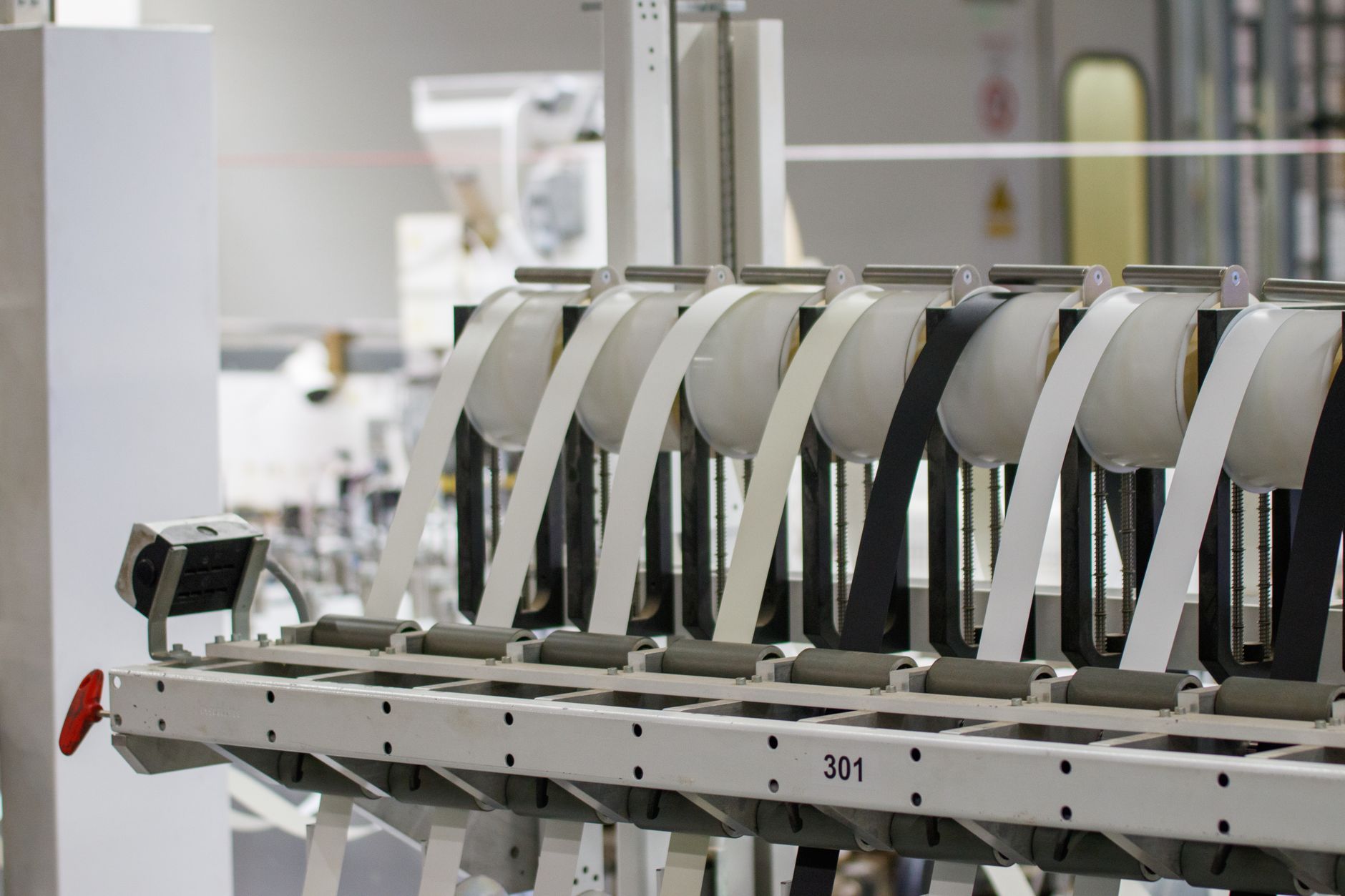
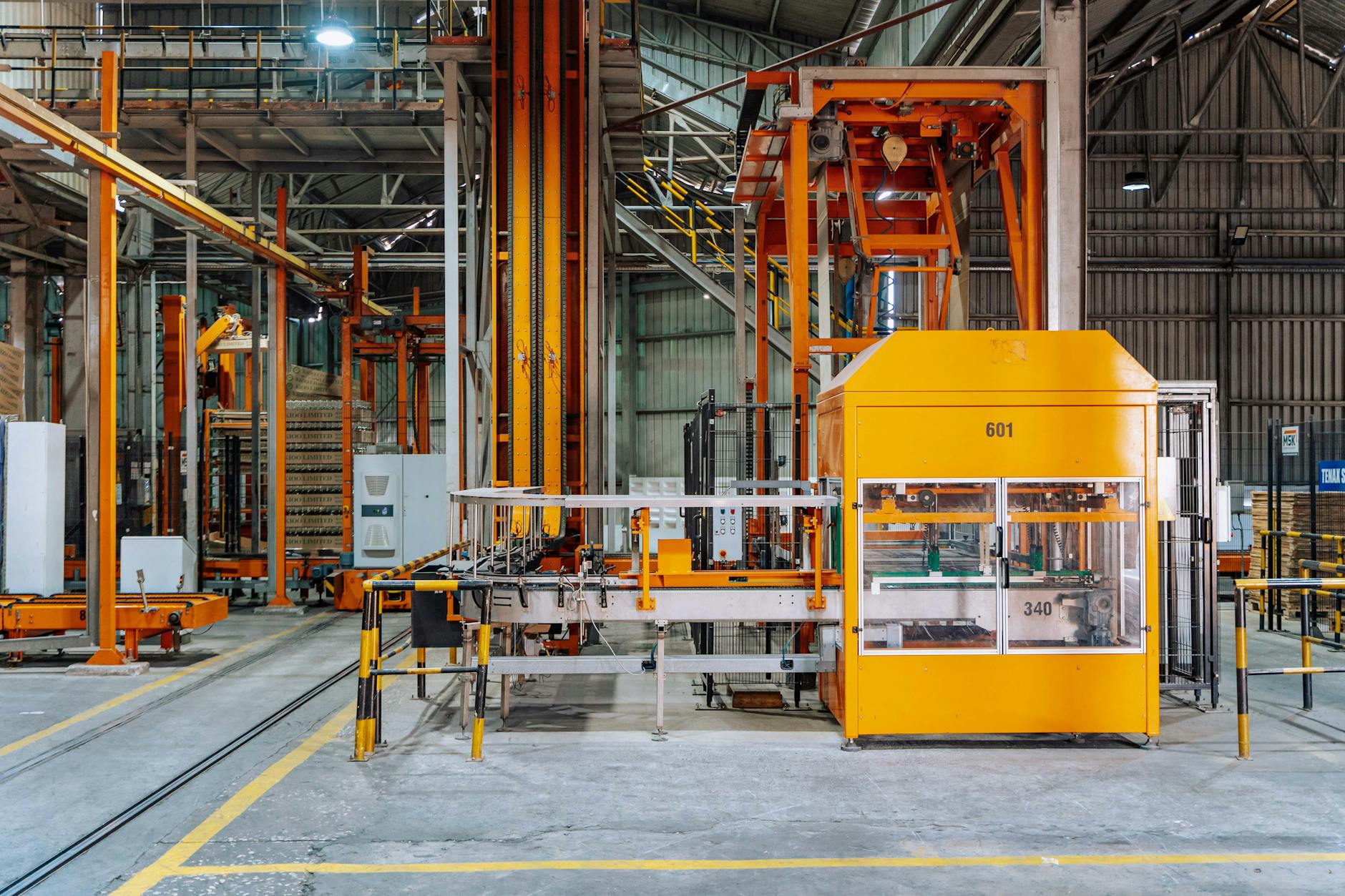
Rolls Royce SMR just opened a £12 million manufacturing center in Derby dedicated to one thing: building nuclear reactor components on a factory floor instead of a construction site. That is not a research grant. That is not a feasibility study. That is a production facility with a purpose built mandate to prove that small modular reactors can be fabricated the same way you build turbine blades and aircraft fuselages.
The Signal Nobody Should Ignore
The Derby facility is not about nuclear science. It is about manufacturing philosophy. Rolls Royce SMR is betting that reactor vessels, heat exchangers, and control system housings can move through a repeatable production line. The same operational logic that drove down cost per unit in aerospace is being applied to nuclear power generation. That is a structural shift, not a headline.
For US manufacturers in heavy fabrication, this is the clearest signal yet that a new industrial supply chain is forming. The question is not whether SMRs will get built. Multiple governments are already funding deployment. The question is who fabricates the components and where those factories sit. Rolls Royce answered that question for the UK with £12 million and a Derby address. The US answer is still open.
Source: Federal Reserve Economic Data (FRED) | NeuralPress analysis
That trajectory is the context for every decision below. Federal Reserve data shows the US Industrial Production Index sitting at 98.64 as of May 2026, up just 1.8% from 96.93 in June 2024. US manufacturing output is essentially flat. Capacity is available. The workforce is not maxed out. Which means the window for retooling and diversification is open in a way it would not be during a production surge. Flat output is not a crisis. It is an invitation.
Capital Allocation Is the First Decision and the Hardest One
The £12 million Derby investment gives US manufacturers a benchmark. That is not a massive number. For a mid size fabricator doing $200 million in annual revenue, £12 million (roughly $15 million) is within reach as a strategic capital expenditure. The question is not affordability. The question is conviction.
Here is the framework. Look at your existing certifications first. If you already hold ASME Section III nuclear stamps or operate under 10CFR50 Appendix B quality programs, your conversion cost drops dramatically. You are not starting from zero. You are extending capability into an adjacent market with overlapping quality requirements.
If you do not hold nuclear certifications, the math changes. Certification timelines run 18 to 36 months. The cost is real but manageable for facilities already operating under aerospace or defense quality systems. The industrial production index hovering around 98 tells you that utilization rates are not forcing difficult tradeoffs. You have floor space. You have machine hours. The capital question is whether you allocate them toward a market that does not exist at scale today but will almost certainly exist within five years.
Operators who wait for purchase orders before investing in capability will find themselves bidding against fabricators who already have nuclear qualified lines running. First mover advantage in supply chains is not a theory. It is how procurement works.
The Workforce Pipeline Will Determine Who Wins
Nuclear certified manufacturing requires a specific talent profile. Welders with nuclear qualifications. Quality inspectors trained to NQA 1 standards. Engineers who understand both fabrication tolerances and regulatory documentation. That talent pool is not deep in the US right now.
The Bureau of Labor Statistics shows manufacturing employment holding steady but not growing aggressively. That means poaching is the default recruitment strategy for anyone entering a new manufacturing category. The operators who start building nuclear capable teams now, through internal training programs and targeted hiring, will have a two to three year head start on competitors who wait.
The decision here is specific. Do you invest in cross training your existing aerospace or pressure vessel welders for nuclear code work? Or do you try to hire nuclear qualified talent away from the existing fleet of operating reactors? Both paths cost money. The training path costs less and builds institutional capability. The hiring path is faster but fragile.
Rolls Royce has an advantage here because their existing aerospace workforce already operates under similar quality cultures. US manufacturers with defense or aerospace backgrounds have the same structural advantage. The workforce transition is not about teaching people to weld. It is about teaching people to document every weld to a standard that a nuclear regulator will accept. That is a culture shift as much as a skills shift. Start it now.
Supply Chain Positioning Before the Consolidation Wave
Every new manufacturing category goes through the same cycle. Early fragmentation gives way to rapid consolidation as the market matures and procurement teams narrow their approved vendor lists. SMR component supply chains are in the fragmentation phase right now. That will not last.
The framework for supply chain leaders is straightforward. Map your current supplier base against SMR component requirements. Pressure vessels. Heat exchangers. Instrumentation and control housings. Structural steel fabrications. Specialty forgings. If you are already buying from vendors who hold nuclear stamps or could obtain them, you have a supply chain that can pivot.
The industrial production data reinforces this point. With the index at 98.64 and trending modestly upward from 97.12 in October 2025, there is no capacity emergency forcing suppliers to choose between existing customers and new nuclear work. Suppliers can add nuclear qualified capacity alongside current production. That flexibility disappears when utilization climbs above 100.
US manufacturers should be having conversations with their tier one and tier two suppliers right now. Not about placing orders. About capability assessments. Which of your forging houses can meet nuclear quality requirements? Which of your machining vendors have clean room capable environments? Those conversations take months. The answers determine whether you can credibly bid on SMR component contracts when the RFQs start flowing. And they will start flowing. Rolls Royce did not spend £12 million on a building they do not plan to fill with purchase orders.
Regulatory Timing Creates an Asymmetric Opportunity
The US Nuclear Regulatory Commission is actively reviewing several SMR designs. NuScale. GE Hitachi. TerraPower. Each approval unlocks a procurement cycle. The regulatory calendar is not a mystery. It is public. And it tells you roughly when component demand will materialize.
The decision for US manufacturers is whether to position ahead of regulatory approvals or wait for them. Waiting feels safer. Positioning ahead feels speculative. But the data argues for early positioning. Regulatory approval timelines are measured in years. Manufacturing capability buildout is also measured in years. If you wait for approval to start building capability, you arrive at the market two to three years after the first mover fabricators.
The £12 million Derby facility tells you what Rolls Royce believes about timing. They are building production infrastructure before a single commercial SMR order has been fulfilled. They are betting that regulatory approvals and utility procurement decisions are close enough to justify capital deployment today. US manufacturers face the same bet with one additional variable. The US government is actively incentivizing domestic nuclear supply chains through DOE programs and IRA provisions. That changes the risk calculus. Public capital is available to offset private investment risk. The operators who understand how to layer government incentives on top of private capital allocation will build nuclear capable facilities at a fraction of the net cost.
The Real Question for the Next 18 Months
The SMR manufacturing playbook is being written right now in Derby. It will be rewritten in whichever US facility decides to move first. Flat industrial production means the capacity is available. The workforce challenge is real but solvable for shops with existing quality cultures. The regulatory calendar is visible. The only variable left is leadership conviction. And that is not something you can outsource to a consultant or defer to the next budget cycle.
This article is part of the Industry Intelligence series on NeuralPress. New analysis published daily.