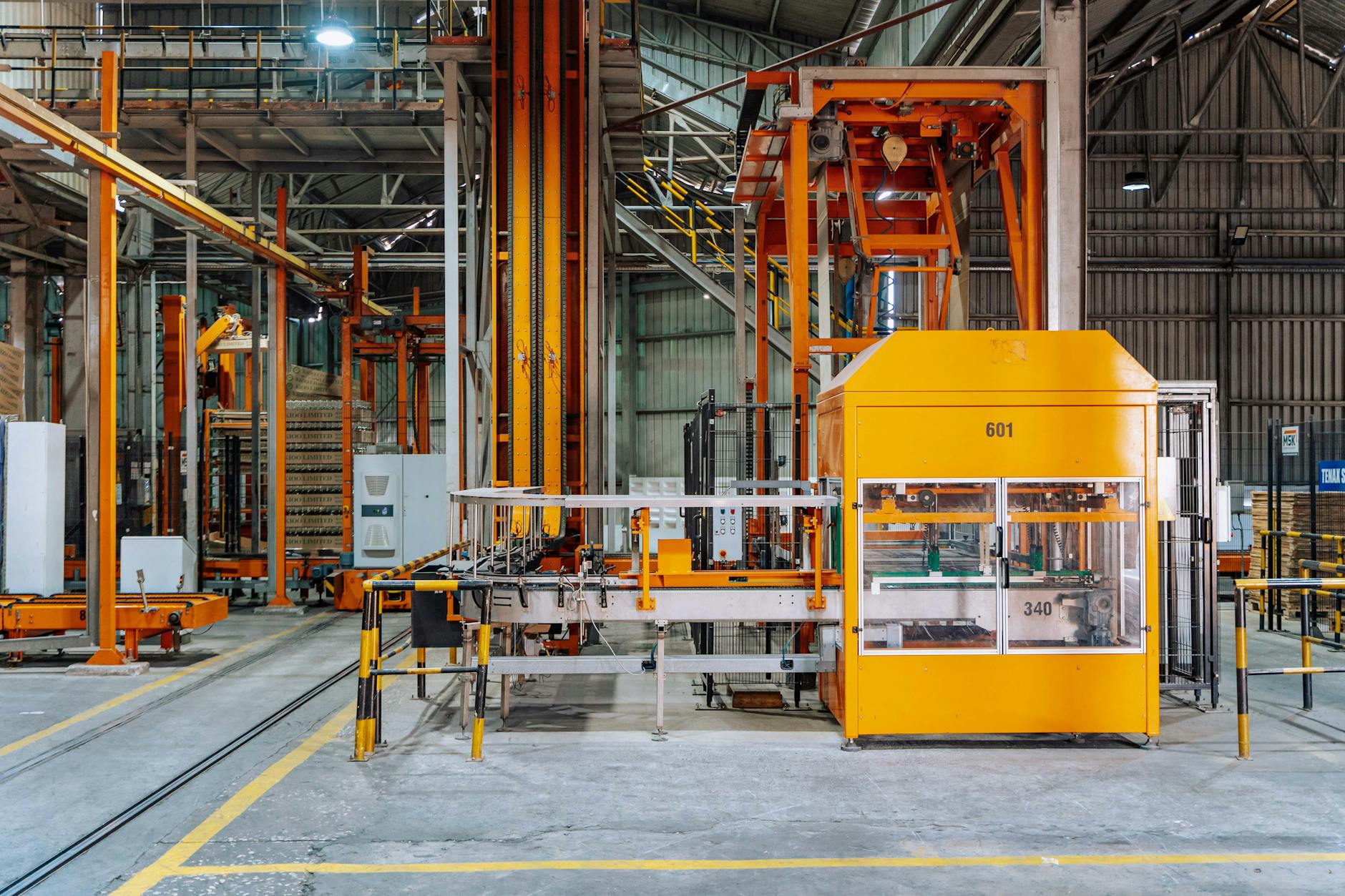
IMTS 2026 Dedicates Conference Track to Hybrid Additive Manufacturing
IMTS 2026 dedicates a full conference track to hybrid additive platforms. Capital allocation, supply chains, and workforce decisions must happen now before your competitors lock in the advantage.

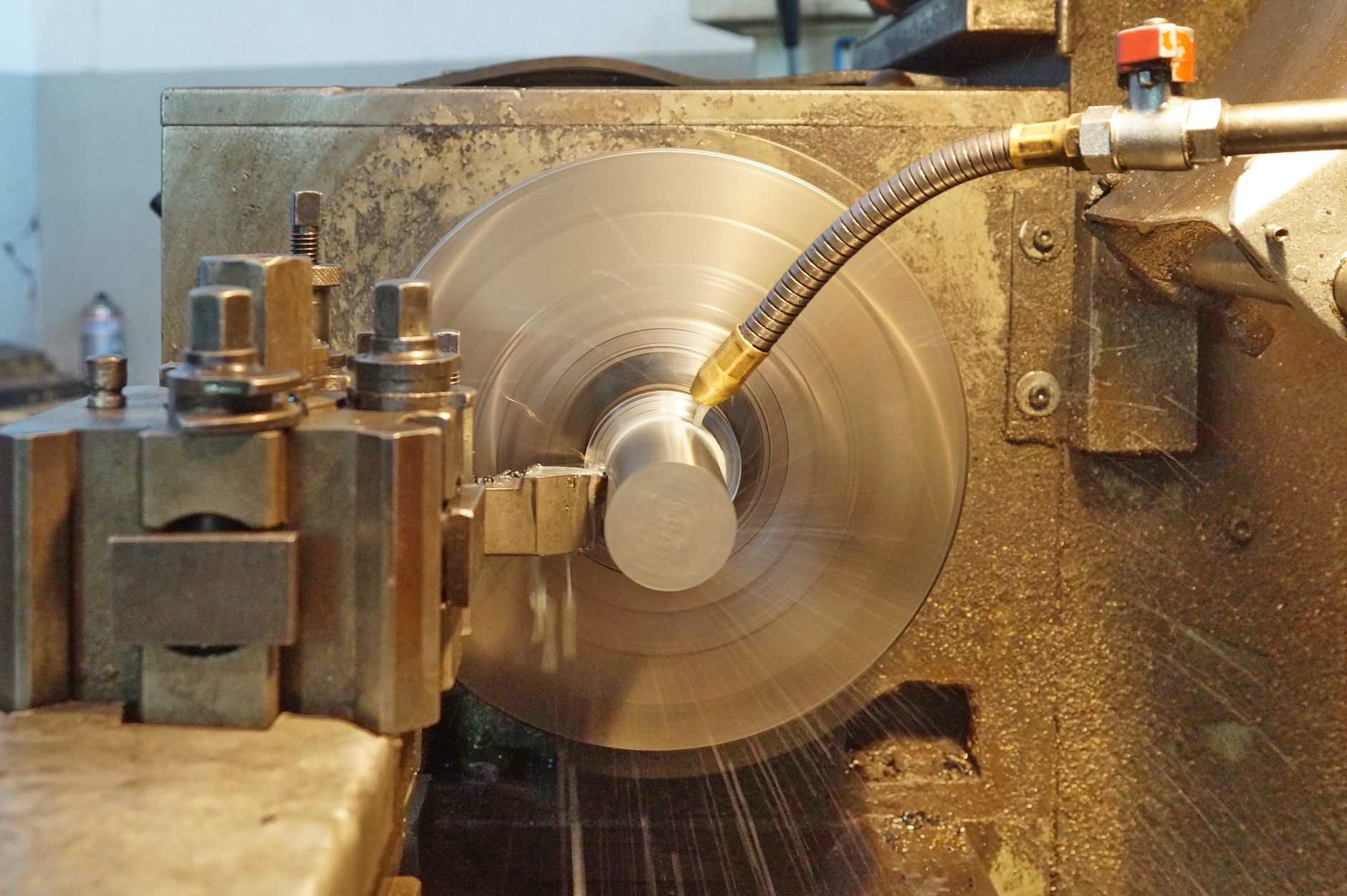
The largest manufacturing technology show in North America just carved out dedicated conference space for hybrid metal additive platforms. Not a booth demo. Not a side stage. A full production focused conference track at IMTS 2026, targeting aerospace and energy OEMs ready to deploy hybrid machines at production scale. When IMTS moves a technology from the exhibit hall to the conference agenda, procurement teams are already writing purchase orders.
The Signal You Cannot Afford to Misread
IMTS runs every two years. It is the bellwether for where North American manufacturing capital flows next. The 2026 edition will feature a conference dedicated to hybrid and convergent metal additive platforms, machines that combine additive deposition and subtractive machining in a single setup. That is not a technology showcase. That is a production readiness declaration.
The timing matters more than the announcement itself. Aerospace Manufacturing and Design framed this around scalable production of high value metal parts. Think titanium turbine blades. Inconel combustion housings. The kind of components where lead times stretch past 120 days and a single CNC setup error scraps $15,000 worth of material. Hybrid platforms collapse that workflow. They deposit material, machine it to tolerance, and deliver a finished part without reclamping. For manufacturers already past pilot programs, the capex decision is not whether to adopt. It is how fast.
The broader industrial backdrop reinforces the urgency. According to Federal Reserve data, the Industrial Production Index sat at 98.67 in April 2026, up only 1.6% from 97.10 in May 2024. That is essentially flat output across two full years. Manufacturers are not growing by producing more of the same. They are growing by producing differently.
Source: Federal Reserve Economic Data (FRED) | NeuralPress analysis
That trajectory is the context for every decision below. A flat production index means capacity is not the constraint. Capability is. The manufacturers gaining share in this environment are not adding shifts. They are adding machines that do what their current equipment cannot.
Capital Allocation Requires a New Calculus
A single hybrid additive platform runs between $500,000 and $2 million. That sounds like a heavy capex line until you stack it against what it replaces. Most aerospace and energy manufacturers outsource complex metal parts to specialty machine shops with 90 to 180 day lead times. Each outsourced order carries expedite premiums, quality risk, and a cash conversion cycle that punishes working capital.
The decision facing every COO and CFO in precision manufacturing right now is straightforward. Model the annual spend on outsourced machined metal parts with lead times exceeding 90 days. Include expedite fees, scrap rates, incoming inspection costs, and the carrying cost of safety stock you hold because you cannot trust delivery windows. For most operations running aerospace or turbine components, that number will clear $1 million annually. One hybrid platform repatriates that spend and compresses lead times from months to days.
Federal Reserve data shows industrial production creeping up just 1.57 points over 24 months. In that environment, the return on capital does not come from volume expansion. It comes from cost structure transformation. A hybrid machine does not just make parts differently. It eliminates WIP inventory stages, reduces quality holds, and frees floor space currently occupied by staging racks. Run the cash conversion math before you run the engineering feasibility study. The financial case will likely greenlight the project before the first test coupon ships.
Supply Chain Position Will Shift Beneath Your Feet
If you distribute consumables, tooling, or materials into aerospace and energy manufacturing, hybrid additive rewires your customer's purchasing behavior. A shop running five axis CNC buys carbide inserts, coolant, fixturing, and bar stock. A shop running hybrid additive buys metal powder feedstock, deposition wire, shielding gas, and different cutting tools optimized for near net shape finishing. The product mix changes. The margin profile changes. The competitor set changes.
The real decision for distribution and supply chain leaders is whether to build hybrid additive supply capability now or react after your largest accounts have already sourced elsewhere. Metal powder procurement is a specialty business with tight quality certifications and traceability requirements. Aerospace primes will not buy feedstock from a distributor who started carrying it six months ago. They will buy from partners who invested early, built certification packages, and can guarantee lot consistency.
Industrial production has been flat, hovering in that 95 to 98 range on the index for two years. Your customers are not ordering more of the same inputs. They are ordering different inputs. The distributors who recognize this shift and build inventory positions in additive consumables before demand spikes will capture the margin. Everyone else will watch their traditional product lines deflate as CNC utilization rates decline in the shops that adopt hybrid platforms first.
Workforce and Knowledge Gaps Will Gate Adoption Speed
Hybrid additive platforms require operators who understand both metal deposition metallurgy and precision CNC machining. That combination barely exists in today's manufacturing workforce. Most additive specialists came up through prototyping or R&D labs. Most machinists came up through traditional apprenticeship programs. The hybrid operator who can manage thermal input during deposition and then dial in a five axis finishing pass on the same part is rare.
The decision for every plant manager and VP of operations is not whether to hire for this skill set. It is whether to build it internally over the next 12 months or compete for a tiny pool of experienced candidates when the machines arrive. The smart move is to identify two or three of your best CNC machinists, people who already understand material behavior and tolerance stacking, and start sending them to additive process training now. Contract additive bureaus will run test parts for you today. Use that process to build institutional knowledge before you commit seven figures to equipment.
IMTS 2026 technical sessions on hybrid platforms will be standing room only. Register your engineering leads now. Not in January. Now. The conference agenda tells you exactly which material systems and part geometries the industry is converging on. That intelligence shapes your training roadmap, your hiring profile, and your capex justification. Workforce readiness is the gate. Technology availability is no longer the constraint. The IPI sitting at 98.67 tells you the industry is not capacity limited. It is capability limited. Close the capability gap with people first, machines second.
Competitive Positioning Favors the First Movers
The manufacturers who deploy hybrid additive platforms before their competitors lock in structural advantages that compound over time. Shorter lead times mean faster quoting. Faster quoting means more program wins. More program wins mean higher utilization on machines that carry fixed depreciation regardless of output. The flywheel is obvious. The window to start it is not permanent.
Consider the math. If your competitor brings a hybrid platform online and can quote a complex Inconel component with a four week lead time instead of your 16 week lead time, they win the contract. They do not win it on price. They win it on responsiveness. In aerospace and energy, where program timelines drive everything and a late part holds up a $200 million assembly, the shop that delivers fastest gets the call. Price becomes secondary to schedule certainty.
With the Industrial Production Index barely moving, market share is a zero sum game right now. Nobody is riding a rising tide. Every point of share you gain comes from someone else's book of business. Hybrid additive is the mechanism. It lets you bid on geometries your competitors cannot manufacture. It lets you deliver on timelines they cannot match. It lets you reduce material waste on titanium and nickel alloys where buy to fly ratios on traditional machining run 10 to 1 or worse. The manufacturers who treat IMTS 2026 as an educational field trip will spend the following two years watching their best customers migrate to shops that treated it as a procurement mission.
The question for the next 12 months is not whether hybrid additive manufacturing works. IMTS just answered that. The question is whether your operation will be the one deploying it or the one losing contracts to someone who did.
This article is part of the Industry Intelligence series on NeuralPress. New analysis published daily.