
Hospital Security Costs $50M Per System Because Violence Is Up 45%
Violence incidents jumped 45% since 2020. Health systems now face $20M to $50M in security infrastructure costs. The math says spend now or bleed premiums later.

Opening
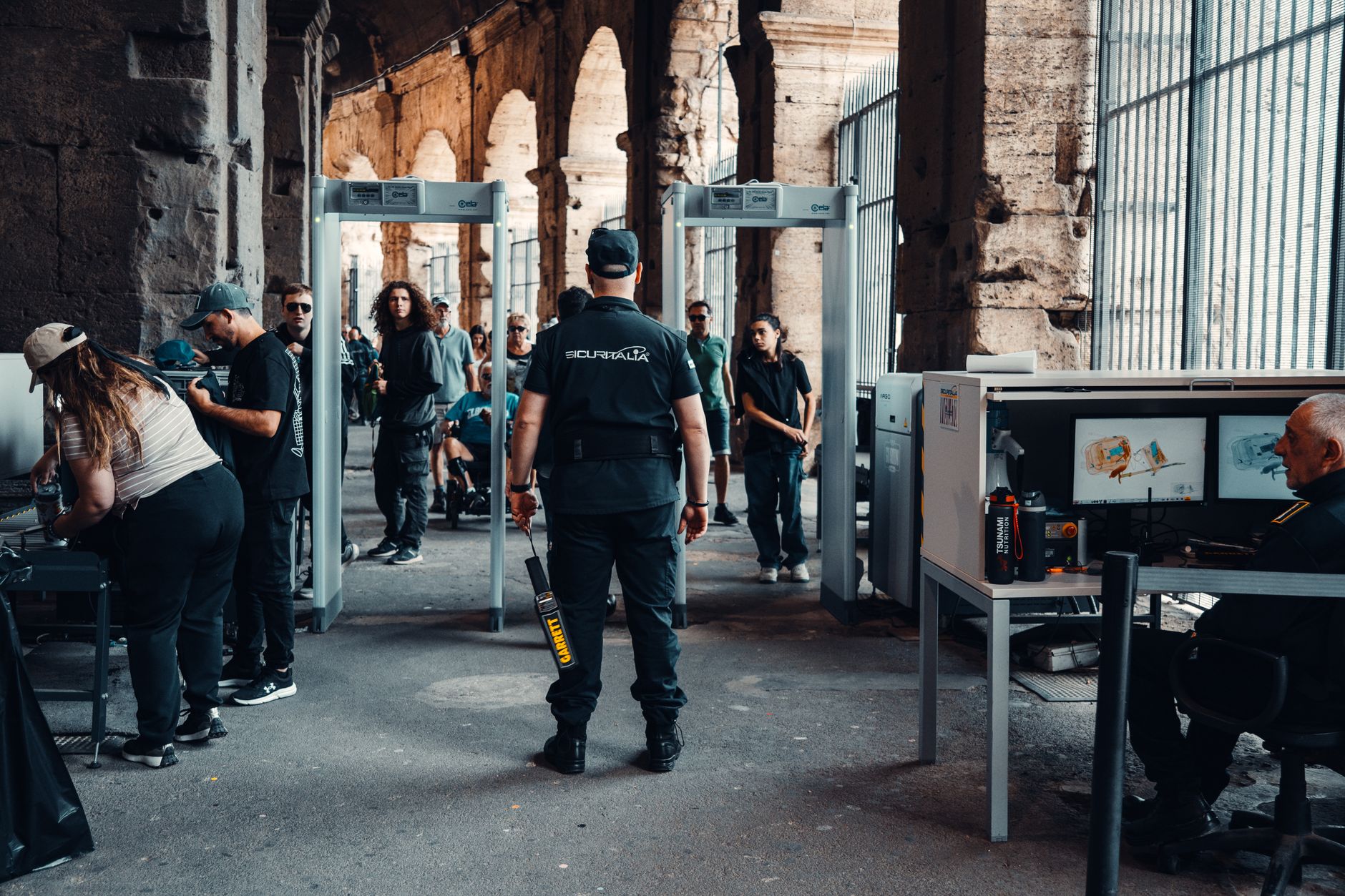
A man was shot and killed inside a Delaware hospital this week. The suspect is in custody. The headlines will fade in 48 hours. But the budget line item this creates will last a decade. Healthcare workplace violence incidents are up 45% since 2020. Security infrastructure now runs $2 million to $5 million per facility. And the medical care CPI has climbed 5% in the last twelve months alone, according to Federal Reserve data. Health system operators are not dealing with a public safety problem. They are dealing with a capital allocation crisis that compounds every quarter they delay.
The Signal
This fatal shooting inside a Delaware hospital is not an isolated event. It is the latest data point in a trendline that has been screaming at health system executives for five years. OSHA data shows healthcare workers face assault rates five times higher than the average private sector employee. Workers' compensation and liability premiums in high incident markets are climbing 15% to 20% annually. Every hospital in the country is now running the same math: spend on security infrastructure today or hemorrhage cash through insurance, turnover, and litigation tomorrow.
The strategic issue is that security spending competes directly with clinical equipment budgets. Every dollar routed to metal detectors and armed guard contracts is a dollar not spent on imaging systems, surgical suites, or patient capacity expansion. That tradeoff was tolerable when violence was episodic. At 45% growth since 2020, it is no longer episodic. It is structural. And structural problems require structural budget responses.
Source: Federal Reserve Economic Data (FRED) | NeuralPress analysis
That upward trajectory in medical care costs is the backdrop for every decision below. Health systems are not absorbing security capex in a flat cost environment. They are layering it on top of an accelerating cost curve that moved from 565 to 593 on the CPI index in under two years. The margin pressure is real and getting worse.
The Capital Allocation Tradeoff Is Already Made For You
Facilities with documented security protocols see 15% to 20% lower liability insurance premiums. That is not a talking point from a security vendor. That is actuarial math from underwriters who have priced the risk. A midsize hospital system running ten facilities faces a straightforward calculation. At $2 million to $5 million per facility for metal detection, access control, and armed security contracts, the total outlay runs $20 million to $50 million. Against that, rising premiums at 15% to 20% annually on a liability book that already runs in the tens of millions will exceed the security investment within three to five years.
The decision is not whether to spend. The decision is whether to spend now at today's contractor rates and equipment costs or spend later when demand has driven both higher. The medical care CPI hit 593 in May 2026, up from 565 in June 2024. BLS figures show that trajectory is not slowing. Construction labor, security technology, and professional services all ride that same inflation curve. Every quarter of delay increases the total project cost.
CFOs who frame this as discretionary capex are miscategorizing the spend. This is risk mitigation with a measurable payback period. The facilities that moved early on security hardening are already seeing the premium reductions. The ones still debating it are funding the gap with higher insurance costs and pretending that is cheaper.
Workforce Retention Now Runs Through the Security Budget
Workplace violence is the number two cited reason for clinical staff departure, trailing only compensation. That ranking should terrify every Chief Nursing Officer in the country. You can raise wages. You cannot raise wages fast enough to compensate for a workplace where your people feel physically unsafe.
Emergency department and psychiatric unit nurses are the hardest roles to fill in healthcare right now. They are also the roles with the highest violence exposure. The labor market for these positions was already brutal before the 45% spike in incidents. Now, facilities without visible security infrastructure are losing candidates during site visits. The recruiter gets them to the door. The lack of metal detectors and panic button systems sends them to the competitor down the road that installed both last year.
The operational move is concrete. Implement de escalation training and panic button systems within 60 days. That is not aspirational. That is the timeline required to have protocols in place before Q3 insurance renewals, when underwriters will be evaluating your facility's risk profile with this latest incident fresh in their data models. Retention programs that ignore the physical safety dimension are spending dollars on gift cards and wellness apps while the actual problem walks out the door in scrubs every shift.
The math on turnover reinforces the point. Replacing a single ER nurse costs $56,000 to $80,000 in recruiting, onboarding, and lost productivity. A facility losing five nurses per quarter to safety concerns is burning $280,000 to $400,000 annually. Panic buttons cost a fraction of that. Armed security at entry points costs more but still comes in below the turnover bleed.
Regulatory Exposure Is Escalating Faster Than Most Legal Teams Realize
Federal enforcement actions on workplace violence prevention are increasing. OSHA fines now reach $500,000 or more per violation for inadequate protections. That number is not theoretical. It is the current penalty structure for facilities found to have insufficient workplace violence prevention programs after a reportable incident.
The regulatory landscape shifted materially in the last 18 months. Several states have passed or are advancing legislation mandating specific security measures in healthcare facilities. Incident reporting protocols that were voluntary are becoming compulsory. Risk management teams that built their compliance frameworks around pre 2020 requirements are operating with outdated playbooks.
The decision facing general counsel and risk officers is straightforward. Audit your incident reporting protocols now. Map them against current OSHA enforcement guidance. Identify the gaps before a regulator does it for you after the next incident at your facility. The cost of proactive compliance is a rounding error compared to $500,000 fines, litigation discovery, and the reputational damage that follows a public enforcement action.
Facilities in states with pending healthcare security legislation should be building to the proposed standard today, not the current minimum. Regulatory floors only move in one direction. Building to today's minimum guarantees a retrofit expense when the new standard passes. Building to the proposed standard locks in compliance and avoids the second round of capital spend.
Insurance Renewals Are the Forcing Function
Q3 insurance renewals will be the moment of truth for health system CFOs who have been deferring this decision. Underwriters are not sentimental. They have the same incident data everyone else has. They know violence is up 45%. They know which facilities have hardened and which have not. They will price accordingly.
The 15% to 20% annual premium increases in high incident markets are the baseline. Facilities that experience a violence event without documented prevention protocols face surcharges on top of that baseline increase. The Delaware shooting will be in every underwriter's risk model by the end of this month. It will show up in renewal quotes for comparable facilities within 90 days.
The framework for the CFO is to model three scenarios. First, current state with no additional security investment and projected premium increases. Second, moderate investment in access control and monitoring with documented protocols. Third, full security hardening with metal detection, armed presence, and panic systems. Run each scenario over five years. Include turnover costs, litigation reserve requirements, and premium projections. The full hardening scenario will show the lowest total cost of ownership in almost every model. The current state scenario will show the highest.
This is not a prediction. It is arithmetic. The medical care CPI moved from 571 in January 2025 to 593 in May 2026. That 3.8% acceleration in sixteen months means the cost of doing this work later is materially higher than doing it now. The insurance market is telling you the same thing the labor market is telling you. The only question is whether you act before the renewal or after the premium shock.
Closing
The health systems that treat security infrastructure as a clinical investment rather than an overhead expense will operate with lower total costs, more stable workforces, and fewer regulatory surprises. The ones that keep filing it under facilities maintenance will keep wondering why their margins erode faster than their peers. The Delaware shooting did not create this problem. It just made the spreadsheet harder to ignore.
This article is part of the Industry Intelligence series on NeuralPress. New analysis published daily.