Lilly Spends $7.3 Billion on Sleep Drugs: Model Your Benefits Hit Now
Lilly spent $7.3 billion on sleep therapeutics. Your shift workers are the target demographic. Model the benefits impact and restructure schedules before the formulary letter arrives.


Eli Lilly just wrote a $7.3 billion check to buy Centessa Pharmaceuticals. Not for another obesity drug. Not for a diabetes line extension. For a sleep disorder pipeline. That number tells you exactly where pharma capital is flowing next and which line item on your P&L is about to move.
The Signal
Lilly's acquisition of Centessa is not a science story. It is a capital allocation story. The largest pharmaceutical company on Earth looked at its GLP 1 franchise, looked at its reinvestment options, and decided the marginal dollar was better spent on sleep disorders than on another incremental weight loss play. That is a signal.
When a company with Lilly's resources and market intelligence makes a $7.3 billion bet on a therapeutic category, it is telling you something the market has not priced in yet. They see sleep disorders as the next chronic condition ripe for pharmaceutical monetization at scale. The playbook is identical to what happened with GLP 1 drugs. First comes the clinical pipeline. Then comes the FDA approval. Then comes the coverage mandate conversation. Then comes the bill landing on the employer's desk. The cycle from acquisition to formulary inclusion typically runs 18 to 24 months after approval. Every employer with shift workers, overnight logistics crews, or 24/7 manufacturing operations should be treating this as a planning event, not a headline.
Source: Federal Reserve Economic Data (FRED) | NeuralPress analysis
That trajectory is the context for every decision below. BLS data shows the Medical Care Consumer Price Index climbed from 559.27 in March 2024 to 592.55 by February 2026. That is a 6 percent increase in under two years, and the trend is accelerating. The index added nearly 8 points in just the last four months of that window. New specialty drug categories do not slow that curve. They steepen it.
Model the Benefits Hit Before It Arrives
The Medical Care CPI tells you the macro story. Your specific exposure depends on workforce composition. According to the CDC, roughly 30 percent of American workers regularly get fewer than six hours of sleep. That number climbs past 40 percent in transportation, warehousing, and manufacturing. If you run a distribution network or a plant floor, your population is the exact demographic pharma is targeting.
Pull your pharmacy benefit manager's utilization data on existing sleep medications. Look at diagnosis rates for insomnia and sleep apnea in your claims history. Then model a scenario where a novel therapy enters at a price point similar to early GLP 1 pricing, somewhere in the $500 to $1,000 per month range before negotiation. If your shift worker population runs above 25 percent of headcount, the exposure is material. Build the scenario now. Do not wait for the formulary letter.
Most employer benefit models assume incremental trend increases of 6 to 8 percent annually on pharmacy spend. A new class of sleep therapeutics hitting formularies could push that above 10 percent for populations with high prevalence. Update your 2026 and 2027 healthcare cost projections this quarter to reflect a new specialty category entering your plan.
Shift Scheduling Is Now a Cost Containment Strategy
The cheapest way to manage a sleep disorder crisis is to prevent it. And the primary driver of sleep disorders in industrial settings is shift design.
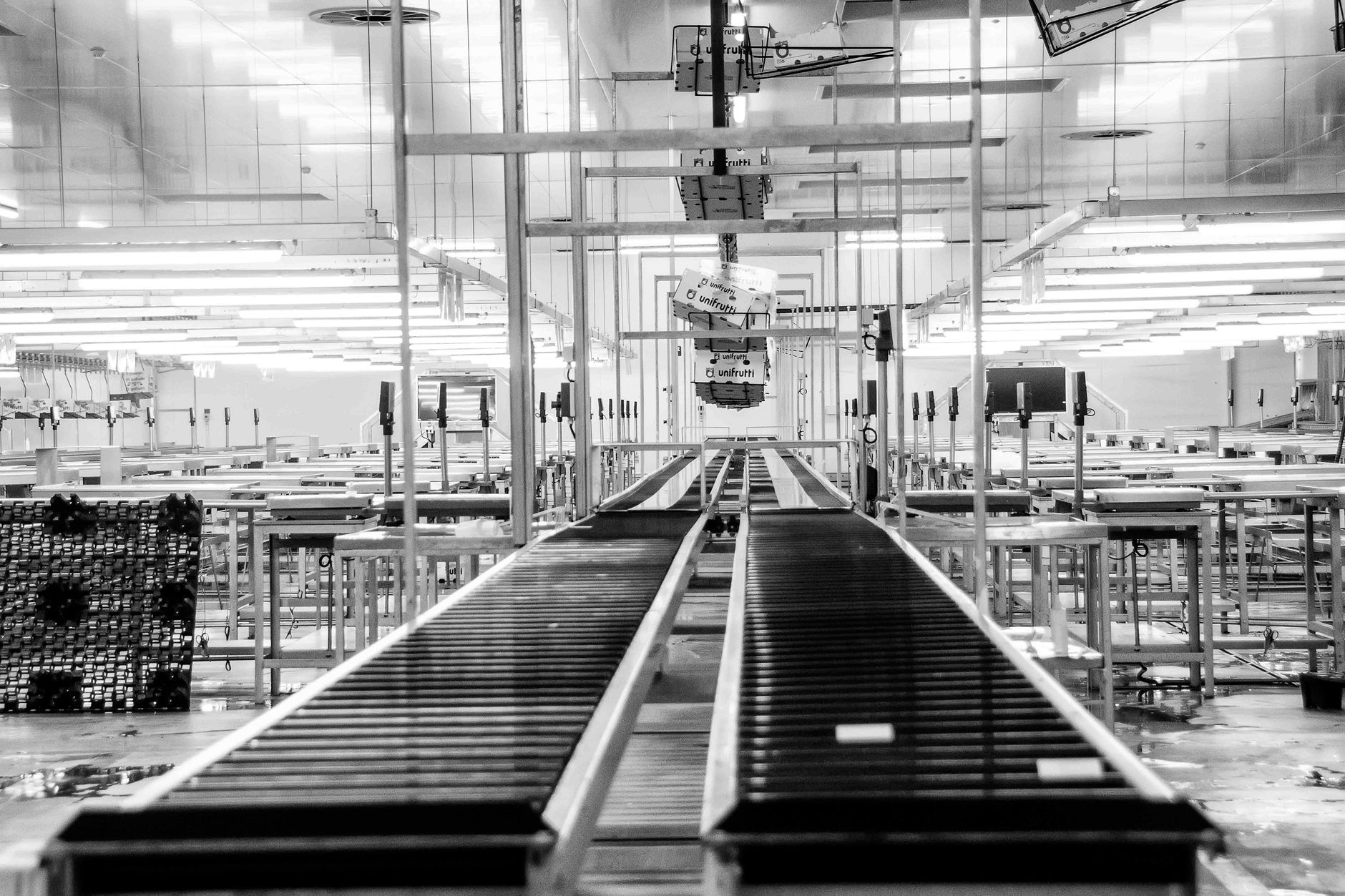
Plant managers and operations directors face a decision that used to sit purely in the productivity column. It now sits in the healthcare cost column too. Rotating shifts, split schedules, and mandatory overtime patterns that disrupt circadian rhythms are not just fatigue risks. They are benefit cost accelerants. Every worker who develops a diagnosable sleep disorder because of scheduling design becomes a claimant for whatever therapy Lilly brings to market.
Take your workers compensation claims tied to fatigue related incidents over the past three years. Add your absenteeism data for shifts with the highest turnover. Now layer in projected pharmaceutical costs for a workforce with elevated sleep disorder diagnosis rates. The total cost of a scheduling redesign, moving from rotating to fixed shifts, investing in fatigue management protocols, adding recovery time between shift changes, almost always comes in below the projected medical and comp claims.
Companies like Alcoa proved this two decades ago with safety focused scheduling reforms. The difference now is the financial case is even stronger. With medical care costs climbing at the pace BLS data shows, the return on schedule optimization compounds every quarter.
Reassess Where Pharma Cost Inflation Lands in Your Plan
CFOs who survived the GLP 1 wave learned an expensive lesson. Specialty drug categories can move from zero to eight figures in annual plan spend within 24 months of broad formulary inclusion. Ozempic and Mounjaro reshaped employer benefit economics faster than most finance teams could model.
The decision is not whether sleep therapeutics will follow the same path. Lilly just committed $7.3 billion that says they will. The decision is how aggressively to restructure plan design before the drugs hit. That means evaluating step therapy requirements, prior authorization protocols, and formulary tier placement now, while you have leverage with your PBM.
Federal Reserve data shows healthcare services inflation running persistently above headline CPI. The Medical Care index jumped from 571.37 in January 2025 to 592.55 by February 2026, a pace that outstrips wage growth for most industrial employers. Each new specialty category that achieves broad coverage adds a structural layer to that trend. You cannot control FDA approvals or pharma pricing. You can control plan architecture, formulary negotiation timing, and workforce health investment. The companies that moved early on GLP 1 plan design saved 15 to 20 percent versus those who reacted after utilization spiked. The same window is open right now for sleep therapeutics.
Workforce Retention Gets a New Variable
Talent leaders in logistics, manufacturing, and energy already know that shift work is a retention killer. Average turnover for night shift roles runs 1.5 to 2 times higher than day shift equivalents in most industrial settings. Sleep health is a meaningful but underinvested driver of that gap.
Calculate your fully loaded cost per turnover event for shift roles. Multiply by your annual separation rate for those positions. Compare that number to the cost of a proactive sleep health program combining scheduling reform, employee assistance resources, and structured coverage for sleep diagnostics. In most industrial settings with 500 plus hourly employees, the retention math alone justifies the investment before you even factor in safety improvements and absenteeism reduction.
If Lilly's pipeline produces effective therapies, coverage will become a competitive differentiator in hiring. Employers who offer comprehensive sleep health benefits, including both pharmaceutical coverage and nonpharmaceutical interventions like schedule flexibility and fatigue screening, will have an edge in markets where shift workers are scarce. The BLS trend line showing medical costs accelerating only makes the proactive path more attractive with each passing quarter.
Lilly did not spend $7.3 billion because sleep is a niche problem. They spent it because sleep is a workforce wide condition that touches productivity, safety, retention, and healthcare costs simultaneously. The operators who treat this as a signal and move now will set the terms. Everyone else will negotiate from behind.
This article is part of the Industry Intelligence series on NeuralPress. New analysis published daily.